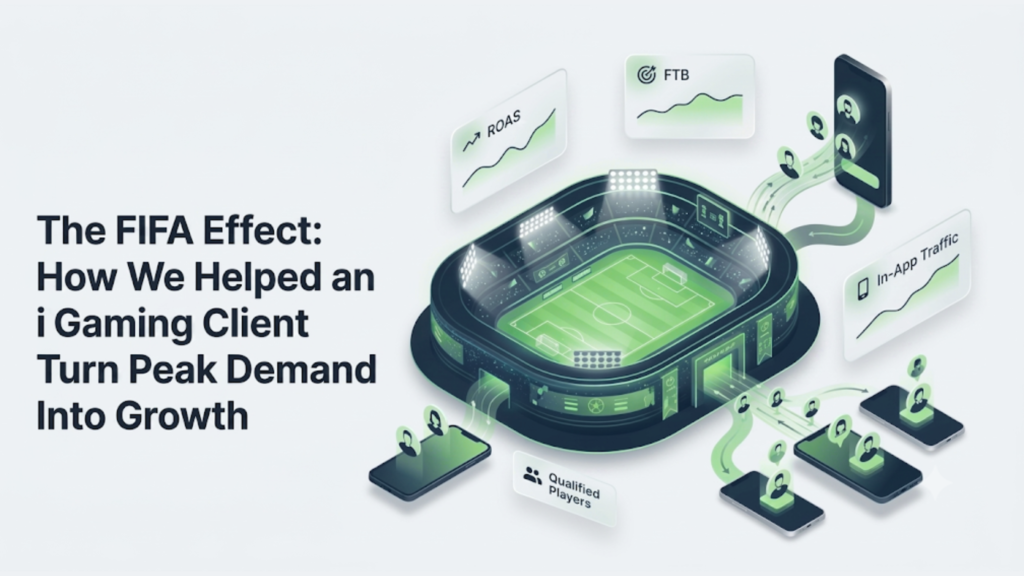
The FIFA Effect: How We Helped an iGaming Client Turn Peak Demand Into Growth

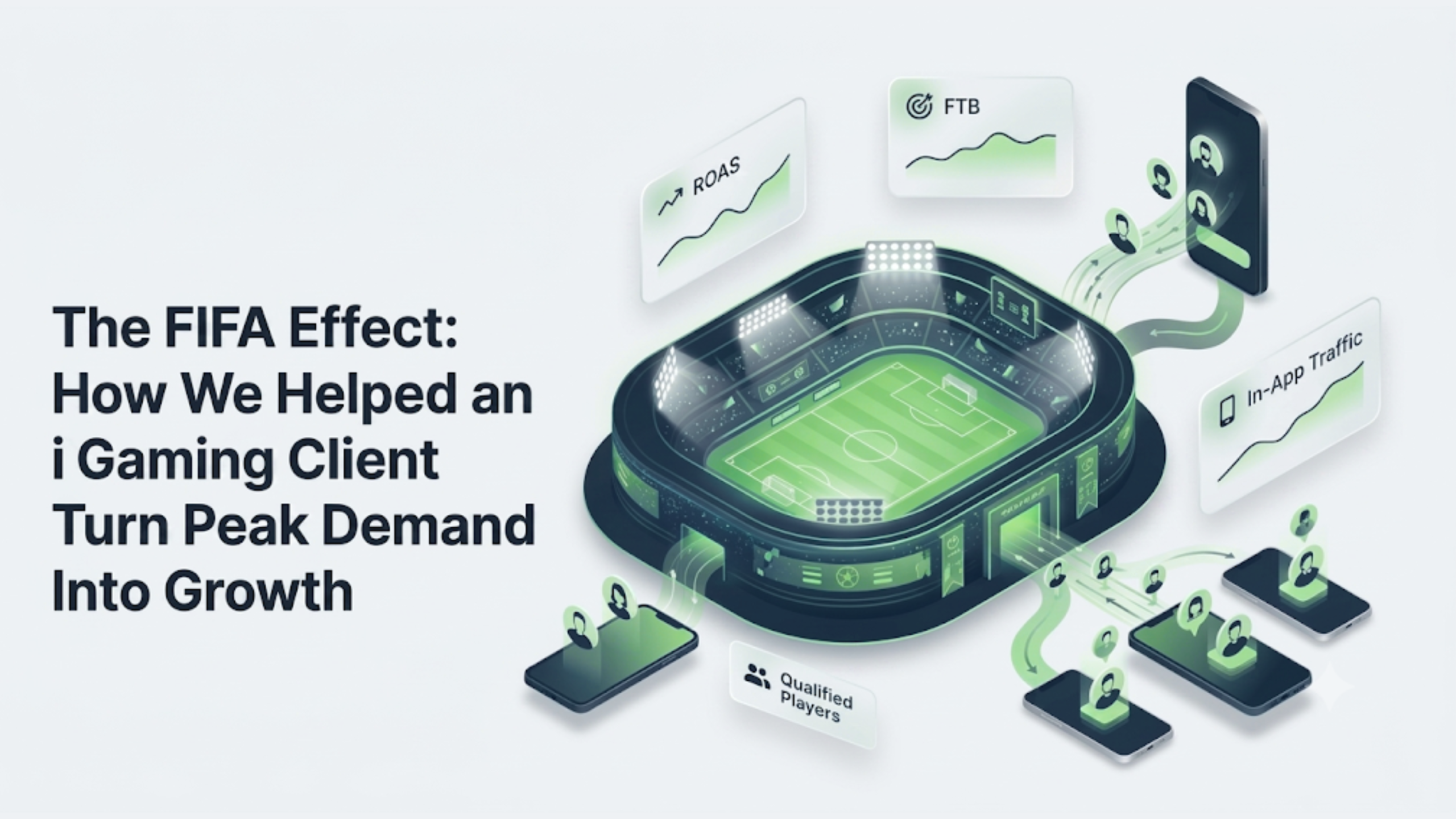
The FIFA Effect: How We Helped an iGaming Client Turn Peak Demand Into Growth

Every major tournament creates the same paradox for iGaming marketers.

Demand goes up. Intent goes up. New audiences show up ready to bet for the first time in their lives.

And yet, for most brands, efficiency goes down.

CPMs spike. Auctions get crowded. Every competitor is bidding for the same eyeballs during the same 90 minutes. The brands that “win” on impressions often lose on margin.

We’ve watched this play out across almost every major tournament cycle. The brands that spend the most don’t always win. The brands that understand the shape of demand — not just the size of it — do.

That’s the story of a recent FIFA tournament campaign we ran for an iGaming client. Not a story about outspending the market. A story about reading it better.
The Challenge

The Challenge

Going into the tournament, our client’s brief was clear and, on paper, familiar:

  • Drive a meaningful volume of First-Time Bets (FTBs)
  • Acquire genuinely high-quality betting users, not just first clicks
  • Maintain campaign efficiency during the most competitive weeks of the year
  • Improve ROAS, not just scale spend

What made this hard wasn’t the goals. It was the environment.

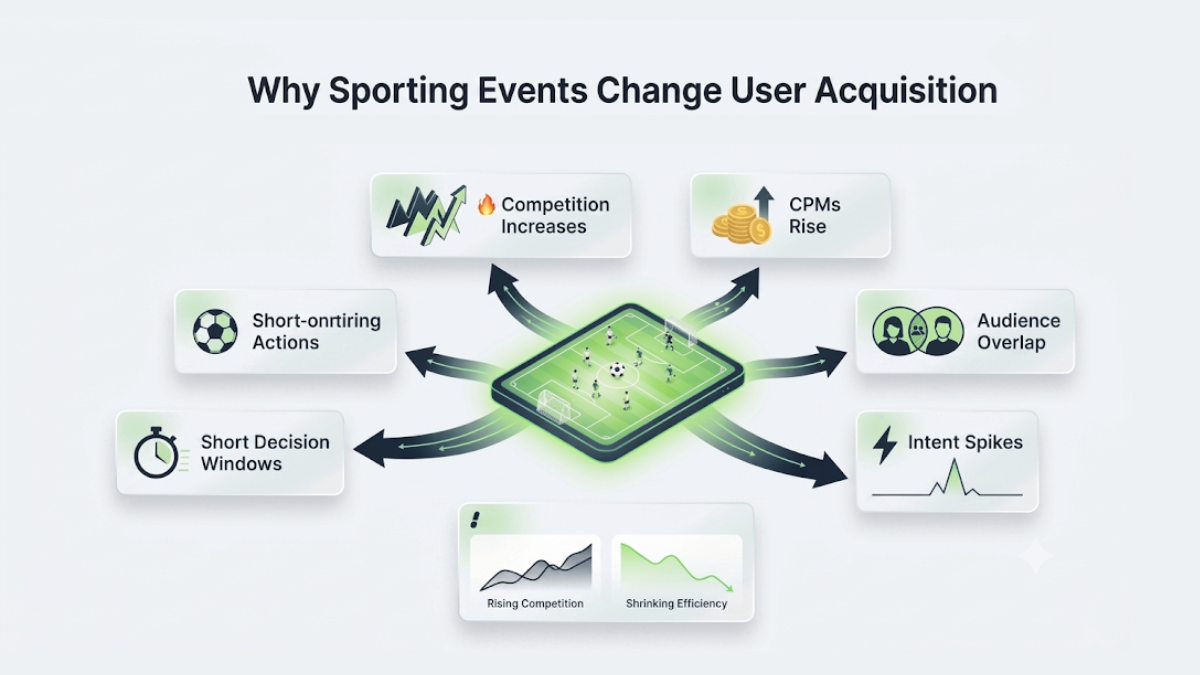
During FIFA, every iGaming brand in the market is targeting the same behavioral moment — a spike in football interest that converts into betting intent. That means:

The audience is shared. Everyone is bidding on the same football-engaged users.

The window is narrow. Match days create short bursts of intent that disappear fast once the final whistle blows.

The inventory is inflated. Premium placements get expensive fast, and a lot of budget quietly leaks into low-intent, low-quality impressions.

The user journey is inconsistent. Someone who installs during a match doesn’t necessarily behave like someone who installs two days later — but most campaigns treat them identically.

Most brands respond to this pressure by doing more of the same thing, harder — more spend, more reach, more impressions. That approach usually just buys more expensive versions of the same result.

We took a different starting point: treat the tournament not as one long campaign, but as a series of distinct demand windows, each requiring a different playbook.

Our Strategy

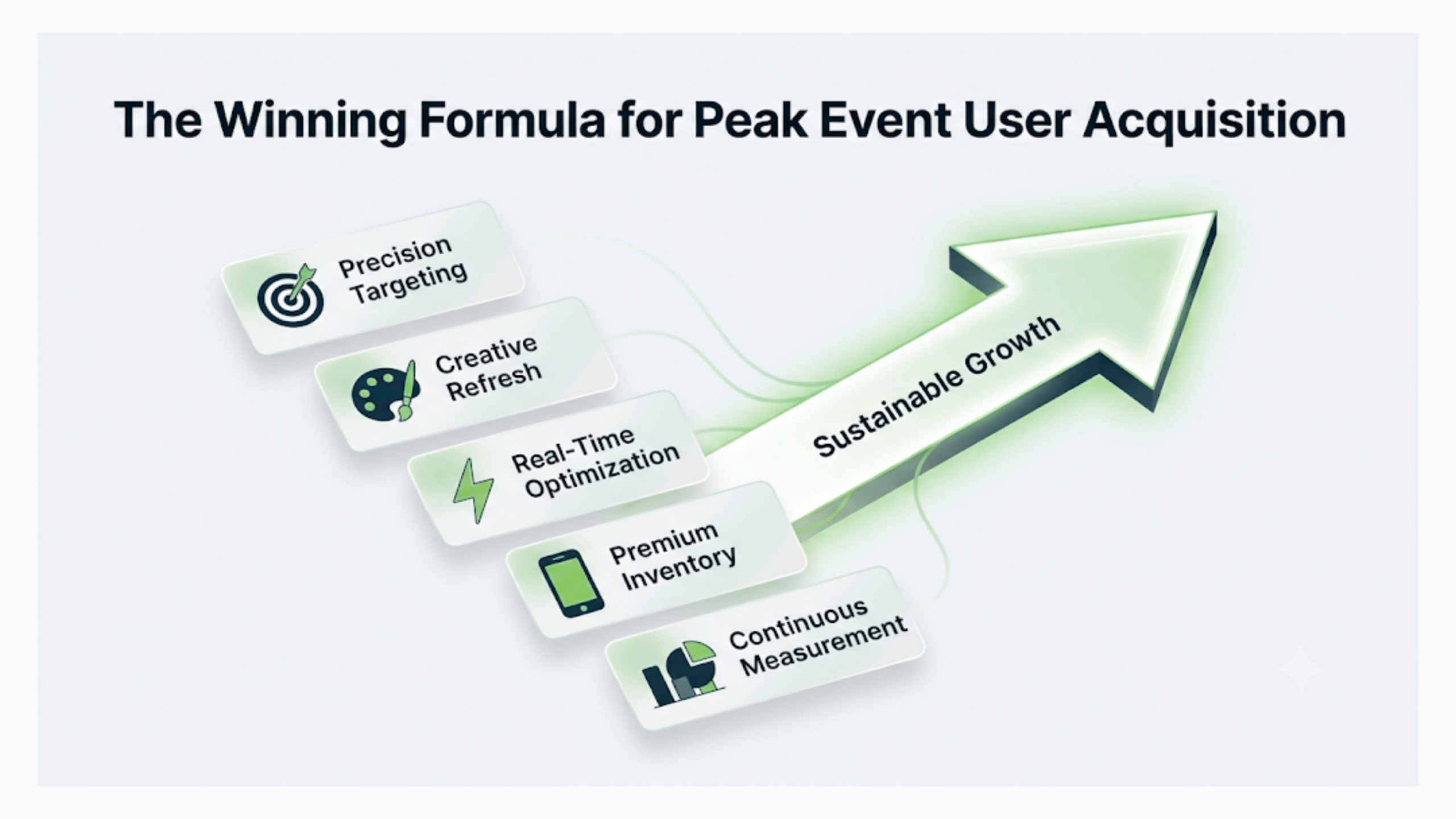
Rather than scaling spend uniformly across the tournament, we built the campaign around one core idea: demand during a tournament isn’t constant — it moves. Strategy has to move with it.

Match-day optimization. We treated match days differently from non-match days, adjusting bidding and delivery around real-time football schedules instead of running a flat, always-on campaign structure.

Audience segmentation. Not every football fan is a first-time bettor. We separated high-intent, betting-ready segments from general football audiences, so spend followed intent rather than reach.

Creative refreshes. Creative fatigue moves faster during high-attention events. We rotated creative in step with tournament moments — group stage, knockout rounds, marquee matchups — rather than letting one set of assets run for the full tournament.

Real-time budget optimization. Budget allocation was adjusted continuously based on live performance signals, not locked into a static daily plan set before the tournament began.

Premium in-app inventory. We prioritized high-quality, contextually relevant in-app placements over broad, generic reach — trading volume for delivery quality.

Continuous optimization. The campaign was never “set and monitored.” It was actively managed throughout, with adjustments made as patterns emerged rather than after the fact.

None of this is exotic. What mattered was sequencing and discipline — knowing which lever to pull, and when, as the tournament’s demand curve shifted.

Campaign Results

Campaign Results

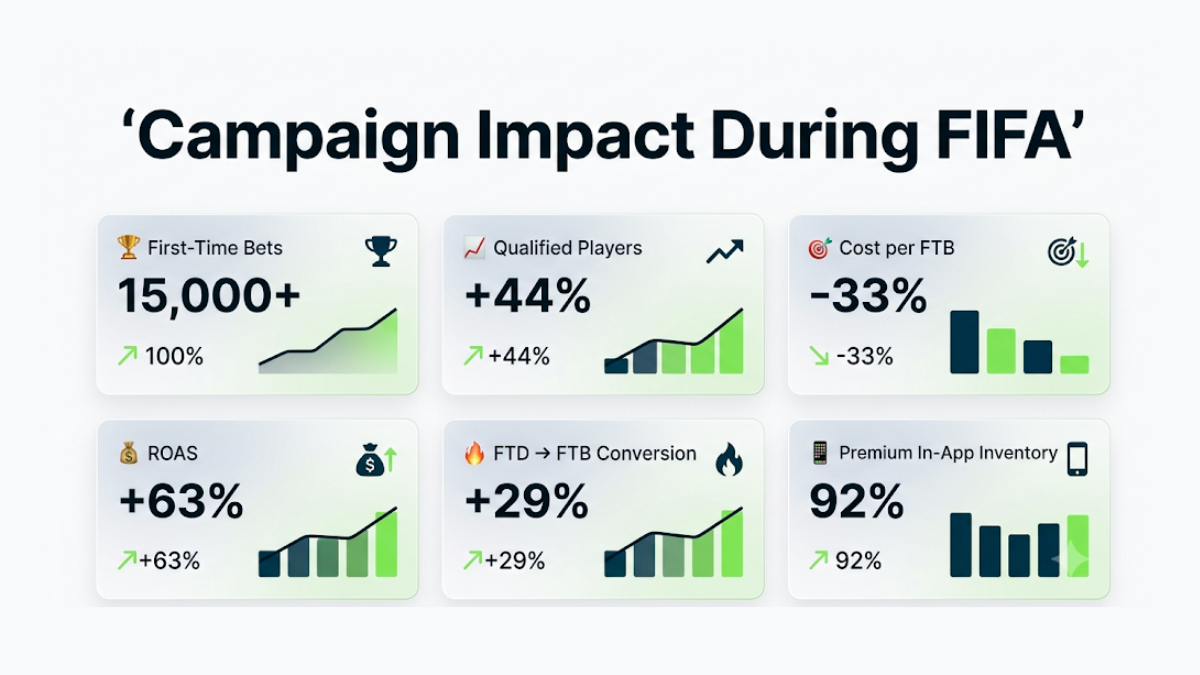
By the end of Phase 1, the numbers told a clear story:

🏆 15,000+ First-Time Bets (FTBs) delivered in Phase 1

📈 44% increase in qualified players

🎯 33% lower Cost per FTB

💰 63% higher ROAS

🔥 29% higher FTD-to-FTB conversion rate

📱 92% of campaign delivery came from premium in-app inventory
Here’s what those numbers actually mean from a business standpoint.

A lower cost per FTB alongside a higher volume of FTBs means the campaign wasn’t just acquiring more users — it was acquiring them more efficiently, even during the most expensive weeks of the year.

The 44% jump in qualified players signals something more important than raw volume: the audience being acquired was closer to the client’s actual target user, not just anyone who happened to click during a match.

The 29% lift in FTD-to-FTB conversion is arguably the most telling metric here. It means the users coming in weren’t just installing — they were converting into real, funded betting activity at a meaningfully higher rate. That’s the difference between an “install” and a “customer.”

And the 92% premium in-app delivery shows the quality trade-off paid off. Instead of chasing cheaper, broader reach, the campaign leaned into fewer, better placements — and efficiency improved rather than suffered.

Put simply: better users, acquired more efficiently, converting at a higher rate — during the single most competitive window of the year for this vertical.

Key Learnings

A few things from this campaign are worth taking beyond this one tournament, this one client, or even this one vertical.

  1. Peak demand periods reward precision, not panic spend. The instinct during high-competition windows is to spend more to compensate for rising costs. Often, the better move is to spend more precisely — narrower audiences, better placements, tighter timing.
  2. Not all “high intent” is equally high intent. Tournament-driven traffic looks uniformly valuable on the surface. It isn’t. Segmenting audiences by actual betting intent, not just football engagement, is what separates FTBs from qualified, converting players.
  3. Creative fatigue accelerates during major events. When everyone in the category is running football-themed creative at once, audiences burn through it faster than usual. Refresh cycles that work during normal periods are often too slow during tournament windows.
  4. Inventory quality compounds. A 92% premium in-app delivery rate isn’t just a placement stat — it’s a leading indicator of everything downstream: lower CPFTB, higher ROAS, better conversion. Where the impression happens shapes who converts.
  5. Real-time optimization beats static planning. A campaign plan built before the tournament starts is already outdated by the quarter-final. The teams that win during major events are the ones actively managing the campaign in-flight, not just monitoring a dashboard.
Conclusion

Conclusion

Every major tournament produces the same headline story: a handful of brands who “won” the event by outspending everyone else.

That’s rarely the full story.

The brands that come out ahead after FIFA, the World Cup, or any high-demand sporting window aren’t always the ones with the biggest budgets. They’re the ones who understood that demand during these events isn’t flat — it spikes, shifts, and fades in patterns that reward preparation over panic.

For our client, the result wasn’t just a strong set of numbers in Phase 1. It was proof that a well-structured strategy — one built around segmentation, timing, and continuous optimization — can outperform a strategy built purely around scale.

Bigger budgets buy reach. Better strategy buys efficiency.

During the next major tournament, the brands asking “how much more should we spend?” will likely be outperformed by the ones asking a better question: “where, exactly, is our next user going to come from — and are we actually ready for them?”

That’s the question worth sitting with before the whistle blows.

Appflix Media partners with iGaming and mobile app brands on user acquisition strategy during high-stakes demand periods — from major sporting tournaments to seasonal peaks. If you’re planning for your next high-demand window, we’d welcome the conversation.

Related Blogs

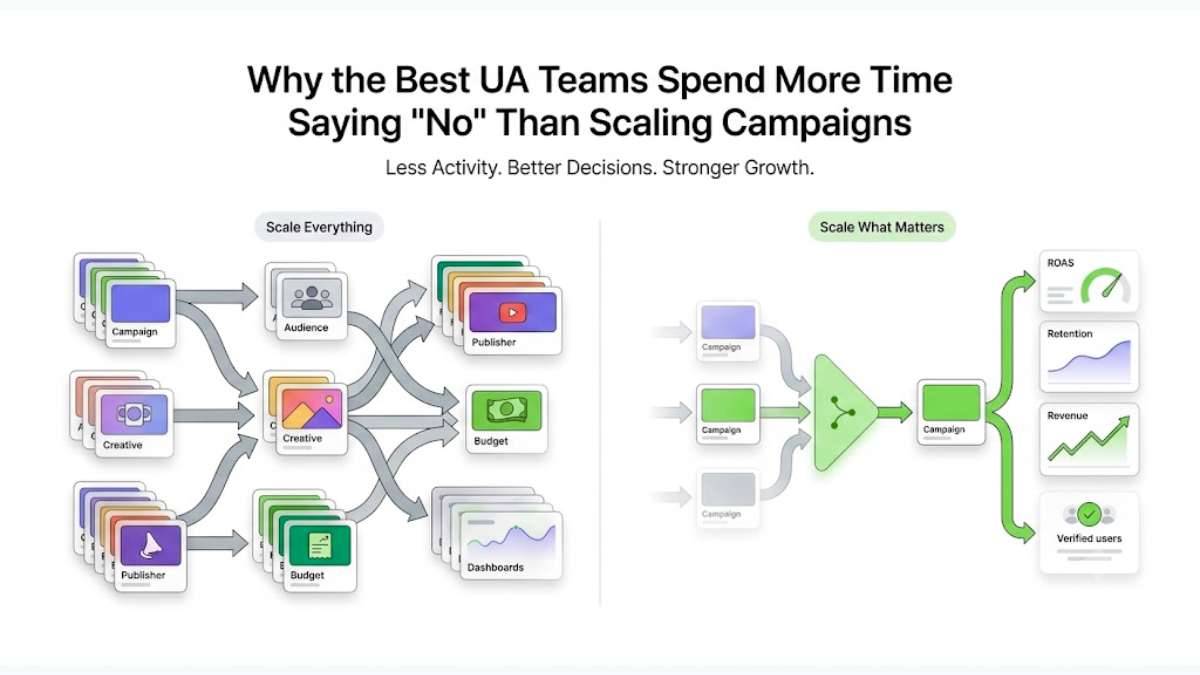
Why the Best UA Teams Spend More Time Saying “No” Than Scaling Campaigns

For years, User Acquisition revolved around one question: How fast can we scale? Bigger budgets. More geographies. More creatives. More installs. Growth meant doing more. But in 2026, the best UA teams are asking a different question:

The FIFA Effect: How We Helped an iGaming Client Turn Peak Demand Into Growth

Every major tournament creates the same paradox for iGaming marketers.

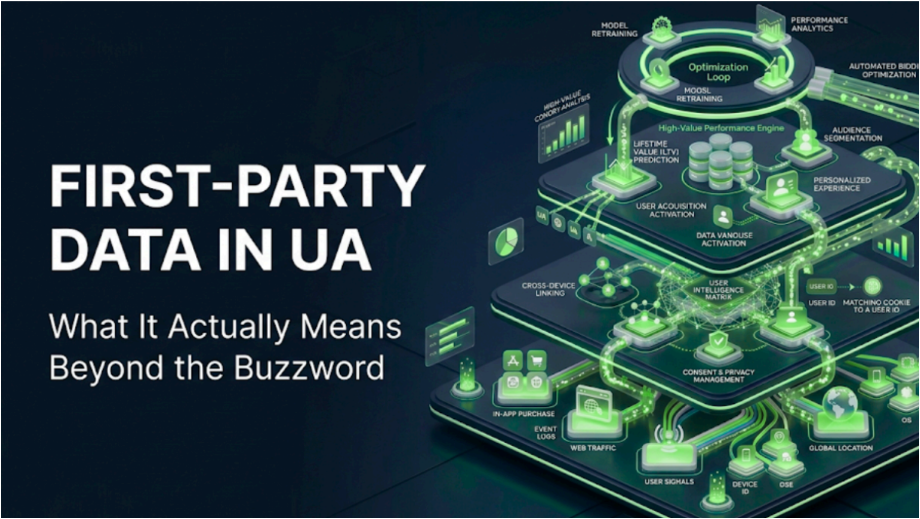
First-Party Data in UA — What It Actually Means Beyond the Buzzword

First-party data has become one of the biggest buzzwords in UA.
APPSHEPHERD

Protect Every Install.

Always-on fraud protection designed to keep your traffic clean and attribution accurate.