The Measurement Problem Nobody in UA Wants to Talk About

The Measurement Problem Nobody in UA Wants to Talk About

There’s a number on your dashboard right now that your team trusts.

Maybe it’s ROAS.

Maybe D7 retention by channel.

Maybe CAC.

Maybe your blended payback period.

Budgets move because of that number. Campaigns get scaled because of it. Teams defend strategy with it.

But here’s the uncomfortable question:

How much of that number do you actually trust?

Because the biggest problem in user acquisition today isn’t rising CPMs.

It isn’t creative fatigue.

It isn’t even signal loss.

It’s the illusion that our measurement is more reliable than it actually is.

We Built Modern UA on Assumptions That No Longer Exist

We Built Modern UA on Assumptions That No Longer Exist

Mobile measurement was built for a different ecosystem.

A user clicked an ad.

Installed an app.

Attribution connected the dots.

Optimization followed.

Simple.

That world largely disappeared.

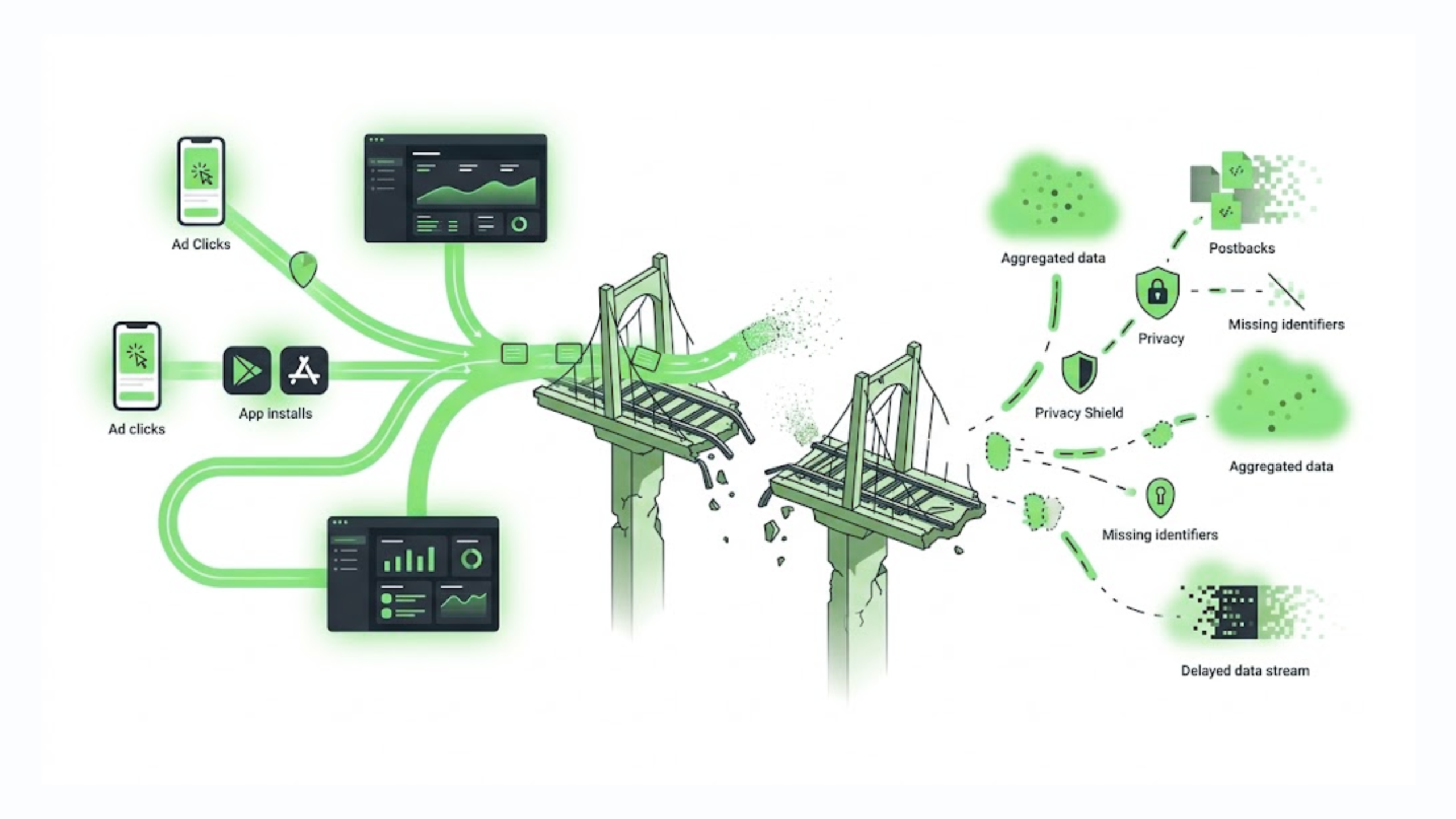
Today we operate with:

  • Aggregated postbacks
  • Modeled conversions
  • Privacy thresholds
  • Limited identifiers
  • Delayed signals
  • Fragmented attribution systems

Yet something strange happened during this transition:

The dashboards barely changed. The certainty behind them did.

Numbers still look precise.

That doesn’t mean they still are.

Where Measurement Quietly Breaks

1. Attribution windows rarely reflect real user behavior

A 7-day click window is a convention.

Not a law of physics.

Some users install immediately.

Others research for weeks.

Some products monetize on Day 3.

Others monetize on Day 90.

When attribution windows fail to match actual behavior, optimization starts favoring short-term visibility instead of long-term value.

You may not be optimizing growth.

You may be optimizing for what your attribution setup can see.

2. Teams optimize for measurable events instead of meaningful outcomes

Most teams optimize toward fast signals:

  • Registration
  • Tutorial completion
  • Trial start
  • First purchase
  • Early engagement events

Those signals matter.

But they’re still proxies.

And proxy optimization creates drift.

Over time, you start scaling campaigns that generate measurable actions — not necessarily valuable customers.

The easiest event to measure is rarely the most important one.

3. Attribution explains who got credit — not what caused growth

This is where measurement gets dangerous.

If users would have installed anyway because of:

  • Brand awareness
  • Organic search
  • Word of mouth
  • Existing demand

Paid channels can still receive credit.

Reports look efficient.

ROAS looks healthy.

Budgets increase.

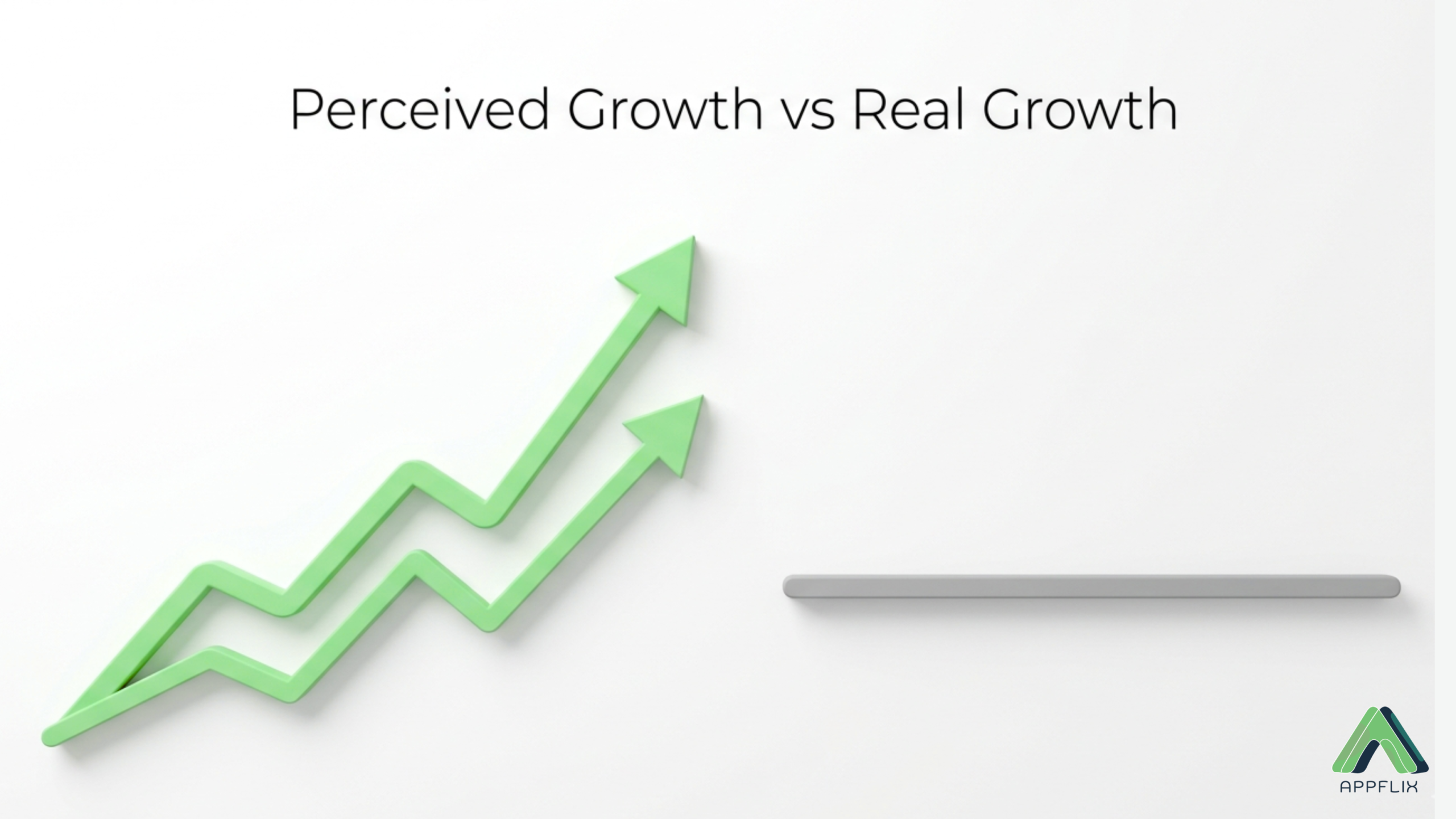
Meanwhile, incremental growth may barely move.

Without incrementality testing, reported performance and actual contribution slowly drift apart.

And the larger budgets become, the more expensive that gap gets.

Why Teams Rarely Fix It

Most growth teams already know measurement has holes.

The problem isn’t awareness.

It’s incentives.

Fixing measurement means:

  • Running holdout tests that slow scaling
  • Challenging previously reported performance
  • Accepting wider confidence intervals
  • Explaining uncertainty to leadership

Those conversations are uncomfortable.

So most teams choose the easier path:

Keep scaling what the dashboard says is working and hope the errors average out.

The Tool Is Not The Truth

MMPs, analytics platforms, and attribution tools are valuable.

They centralize data.

They standardize reporting.

They create operational consistency.

But problems start when:

“What does the dashboard say?” becomes the final question instead of the first one.

Measurement systems should support decision-making.

They should not replace it.

What Better Measurement Actually Looks Like

Better measurement today is less about finding perfect attribution.

It’s about building confidence from multiple imperfect signals.

That usually means:

Use first-party data as the foundation Your backend understands customer behavior better than external attribution layers.

Treat incrementality as ongoing infrastructure Not a one-time project when someone questions performance.

Look beyond attributed outcomes Revenue and retention rarely care how attribution logic works.

Extend measurement windows Many businesses monetize much slower than dashboards assume.

Operate with ranges, not false precision Confidence intervals are often more honest than exact numbers.

The Real Measurement Problem

The measurement problem in UA isn’t that data quality declined.

It’s that many teams still operate as if certainty never left.

Attribution has shifted from measurement infrastructure to signal interpretation.

And the next competitive advantage may not come from better dashboards.

It may come from being better at making decisions when the dashboard is wrong.


Question for growth teams: If attribution reports disappeared tomorrow and you only had business outcomes left — would your budget allocation still look the same?


Related Blogs

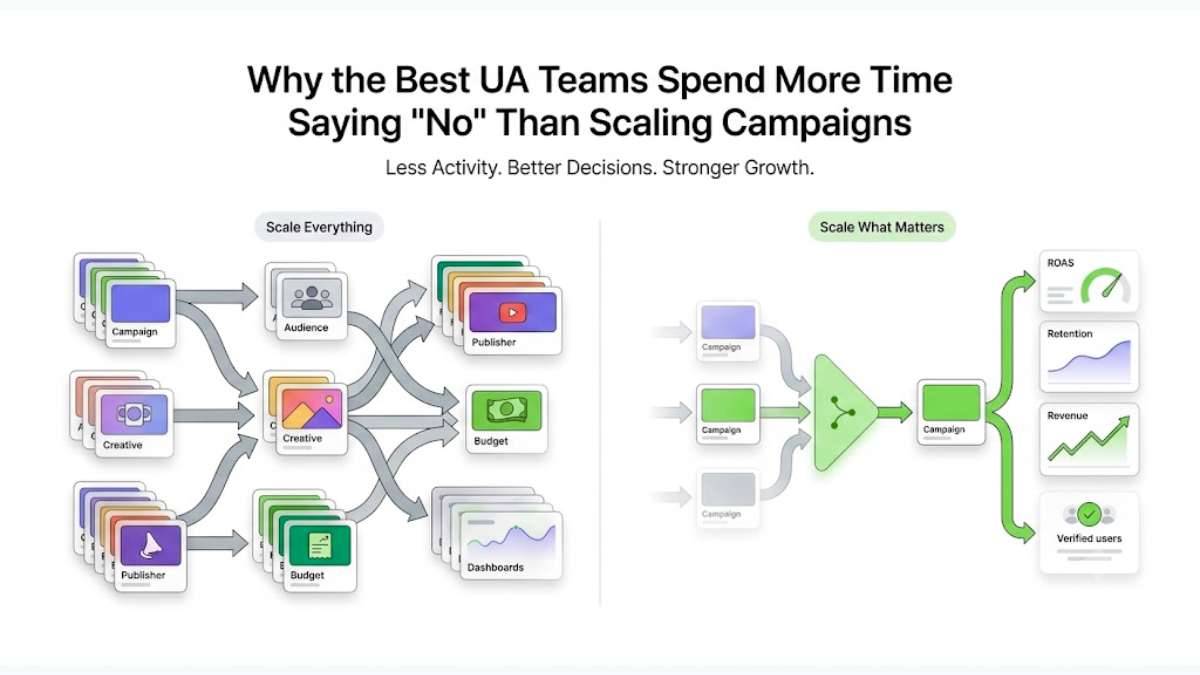
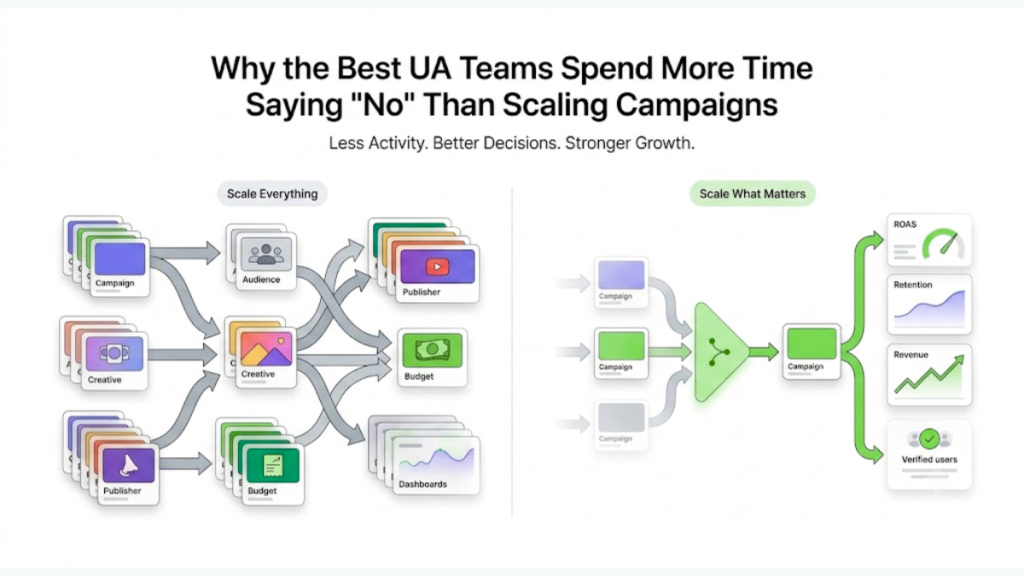
Why the Best UA Teams Spend More Time Saying “No” Than Scaling Campaigns

For years, User Acquisition revolved around one question: How fast can we scale? Bigger budgets. More geographies. More creatives. More installs. Growth meant doing more. But in 2026, the best UA teams are asking a different question:

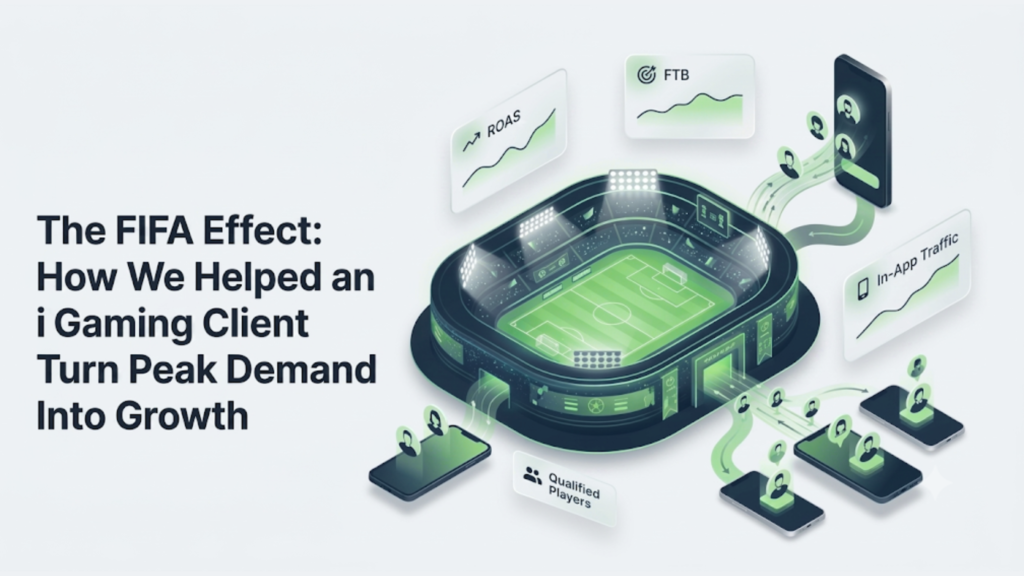
The FIFA Effect: How We Helped an iGaming Client Turn Peak Demand Into Growth

Every major tournament creates the same paradox for iGaming marketers.

First-Party Data in UA — What It Actually Means Beyond the Buzzword

First-party data has become one of the biggest buzzwords in UA.
APPSHEPHERD

Protect Every Install.

Always-on fraud protection designed to keep your traffic clean and attribution accurate.