


The Incrementality Gap: When Performance Campaigns Replace Organic Growth

The Incrementality Gap: When Performance Campaigns Replace Organic Growth

Blended ROAS looks strong.

Paid installs are scaling.

But is total growth actually increasing?

In 2026, the question isn’t efficiency — it’s incrementality.

In 2026, performance marketing isn’t just about scale. It’s about net growth.

Across the industry, the same pattern keeps repeating:

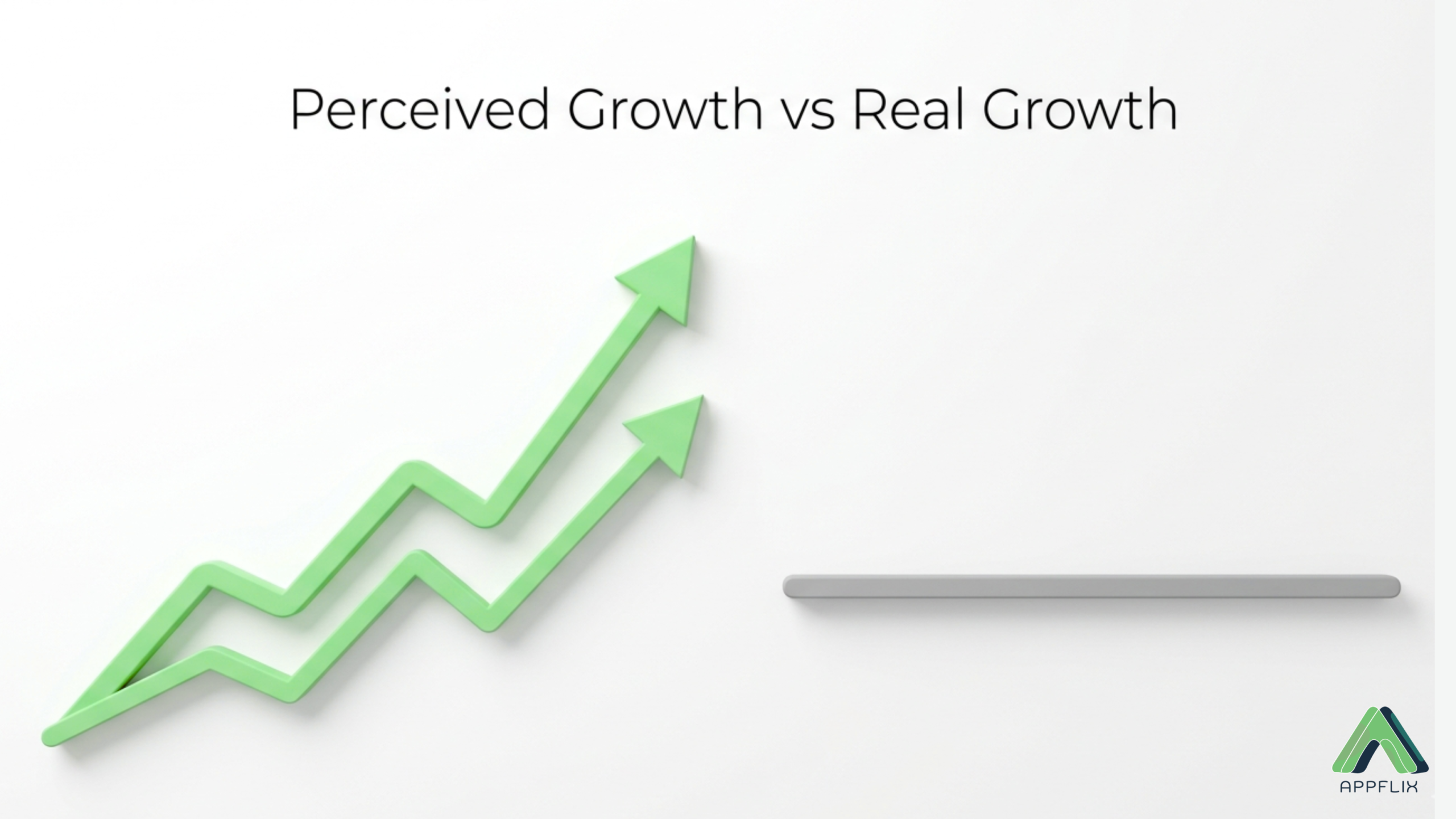
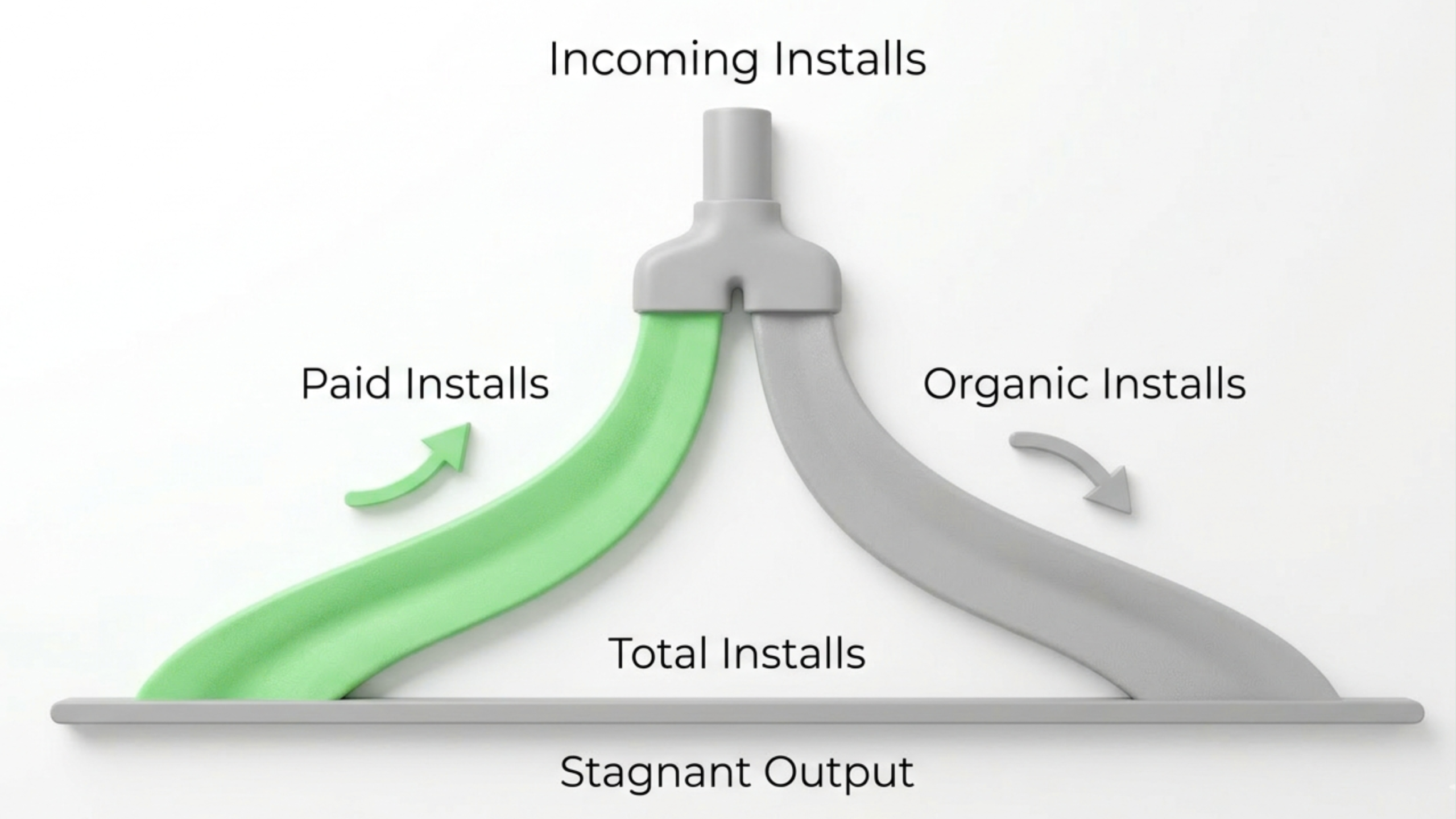
  • Paid installs increase
  • Total installs remain flat
  • Organic contribution quietly declines
  • Blended metrics continue to look acceptable

On paper: growth. In reality: redistribution.

And then — campaigns get paused. Not because execution was poor. But because incrementality was never validated.
Understanding the Incrementality Gap

Understanding the Incrementality Gap

Modern performance ecosystems are layered by design. Affiliate traffic. Retargeting flows. Extended attribution windows. Brand bidding. Last-touch logic.

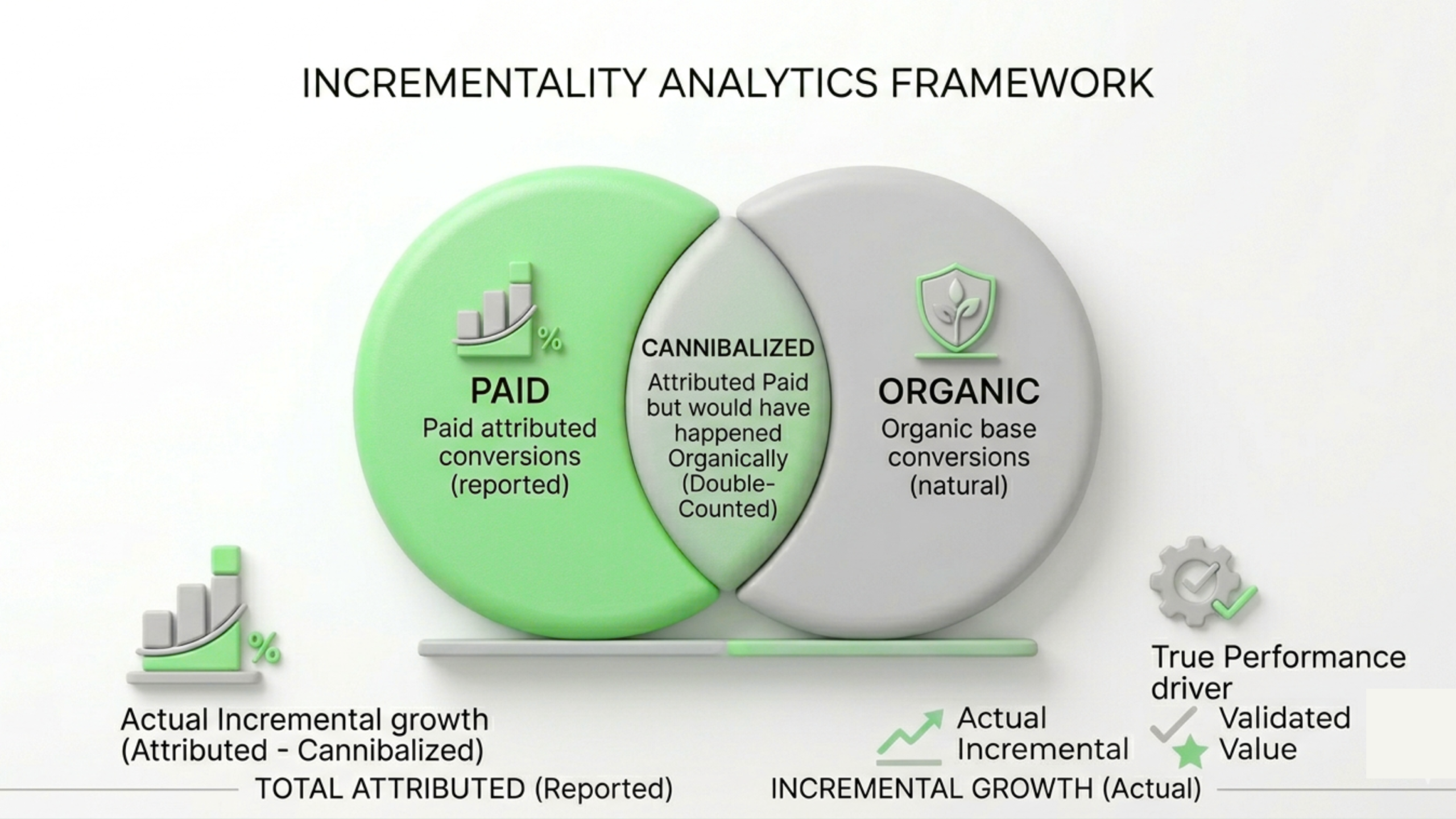
Each layer can add reported scale. Not every layer adds incremental value.

When measurement relies heavily on last-click attribution, the system rewards the final touchpoint — not the real growth driver.

Over time, paid campaigns begin capturing conversions that would have happened organically anyway.

The dashboard stays green. Organic health erodes. Net growth flatlines.

The dashboard doesn’t lie. But it doesn’t tell the full truth either.

That gap between reported performance and actual expansion — that’s the incrementality gap.

The Strategic Shift UA Teams Need to Make

The Strategic Shift UA Teams Need to Make

The question every growth team should be asking now:

“Are we expanding total demand — or just redistributing it?”

Not:

“Is our CPA efficient?”

If performance is replacing organic installs instead of generating new ones, your scale is fragile.

And eventually — finance notices.

The Executive Wake-Up Call

When spend rises but growth doesn’t, the conversation changes fast:

  • Rising spend
  • Stable (or declining) new user volume
  • Shrinking organic share
  • Flattening LTV curves

Confidence erodes.

Because incrementality was assumed — not measured.

What Disciplined Performance UA Looks Like in 2026

What Disciplined Performance UA Looks Like in 2026

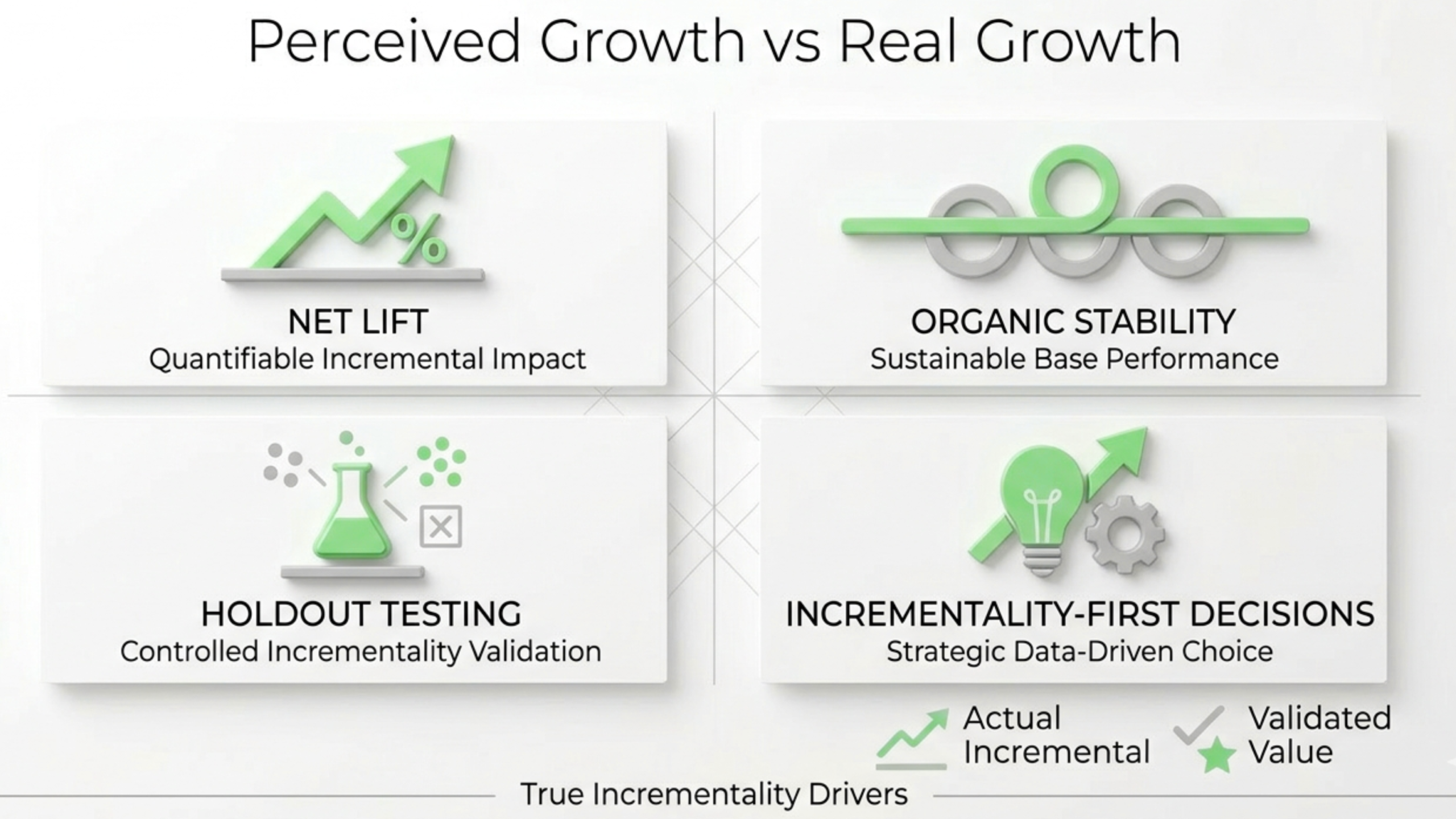
  • Net lift evaluation → measure what you’re actually adding
  • Organic stability monitoring → treat organic as a core KPI
  • Controlled holdout testing → isolate true incrementality
  • Incrementality-first buying → optimize for ecosystem growth, not attribution wins

Performance should expand the ecosystem. Not substitute it.

Appflix Perspective

At Appflix, one principle guides how we approach performance UA:

Growth must be incremental.

That means protecting organic strength, maintaining disciplined traffic environments, and aligning every optimization decision with total ecosystem expansion — not just attribution credit.

Because real scale is measured in net new users.

Not recycled demand.

Related Blogs

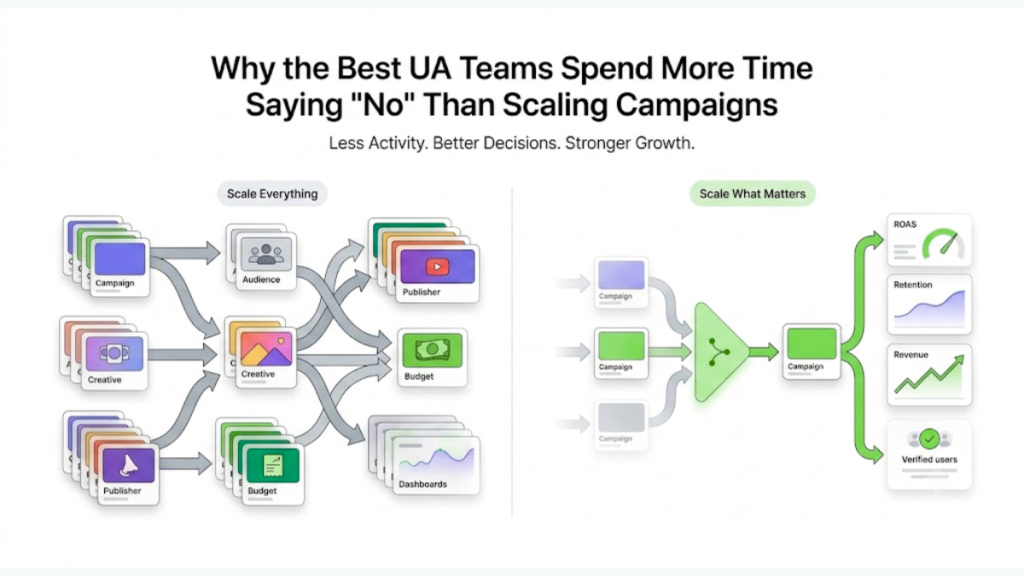
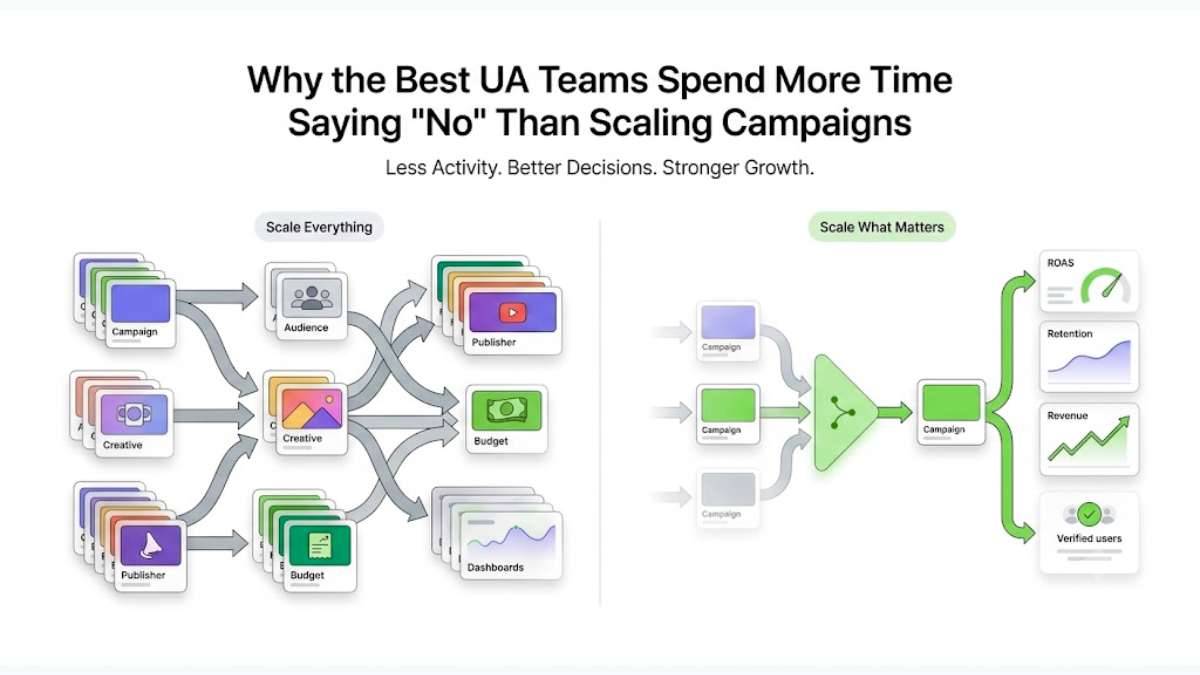
Why the Best UA Teams Spend More Time Saying “No” Than Scaling Campaigns

For years, User Acquisition revolved around one question: How fast can we scale? Bigger budgets. More geographies. More creatives. More installs. Growth meant doing more. But in 2026, the best UA teams are asking a different question:

The FIFA Effect: How We Helped an iGaming Client Turn Peak Demand Into Growth

Every major tournament creates the same paradox for iGaming marketers.

First-Party Data in UA — What It Actually Means Beyond the Buzzword

First-party data has become one of the biggest buzzwords in UA.
APPSHEPHERD

Protect Every Install.

Always-on fraud protection designed to keep your traffic clean and attribution accurate.