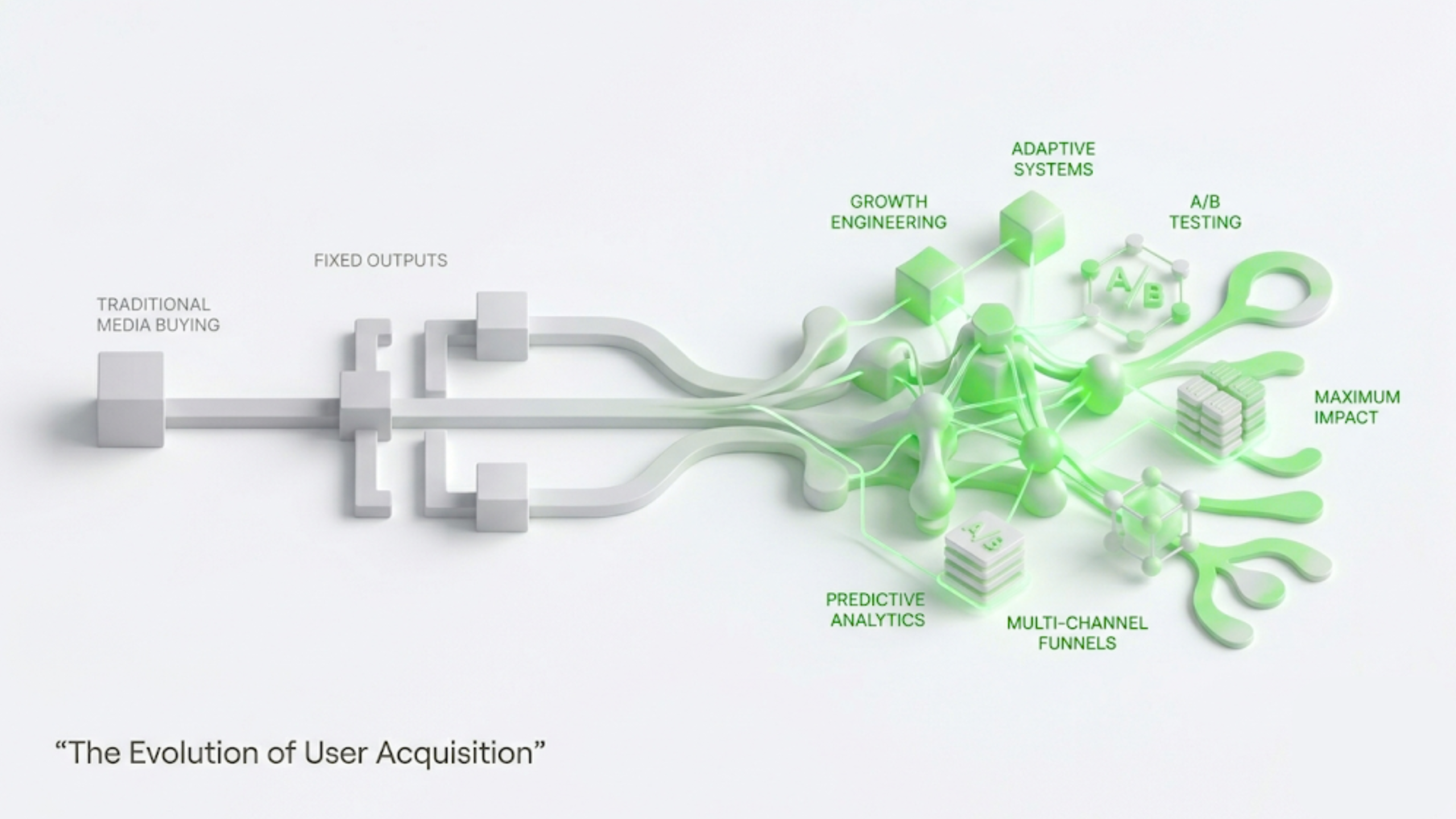
From media buying to growth engineering: the evolution of user acquisition

From media buying to growth engineering: the evolution of user acquisition

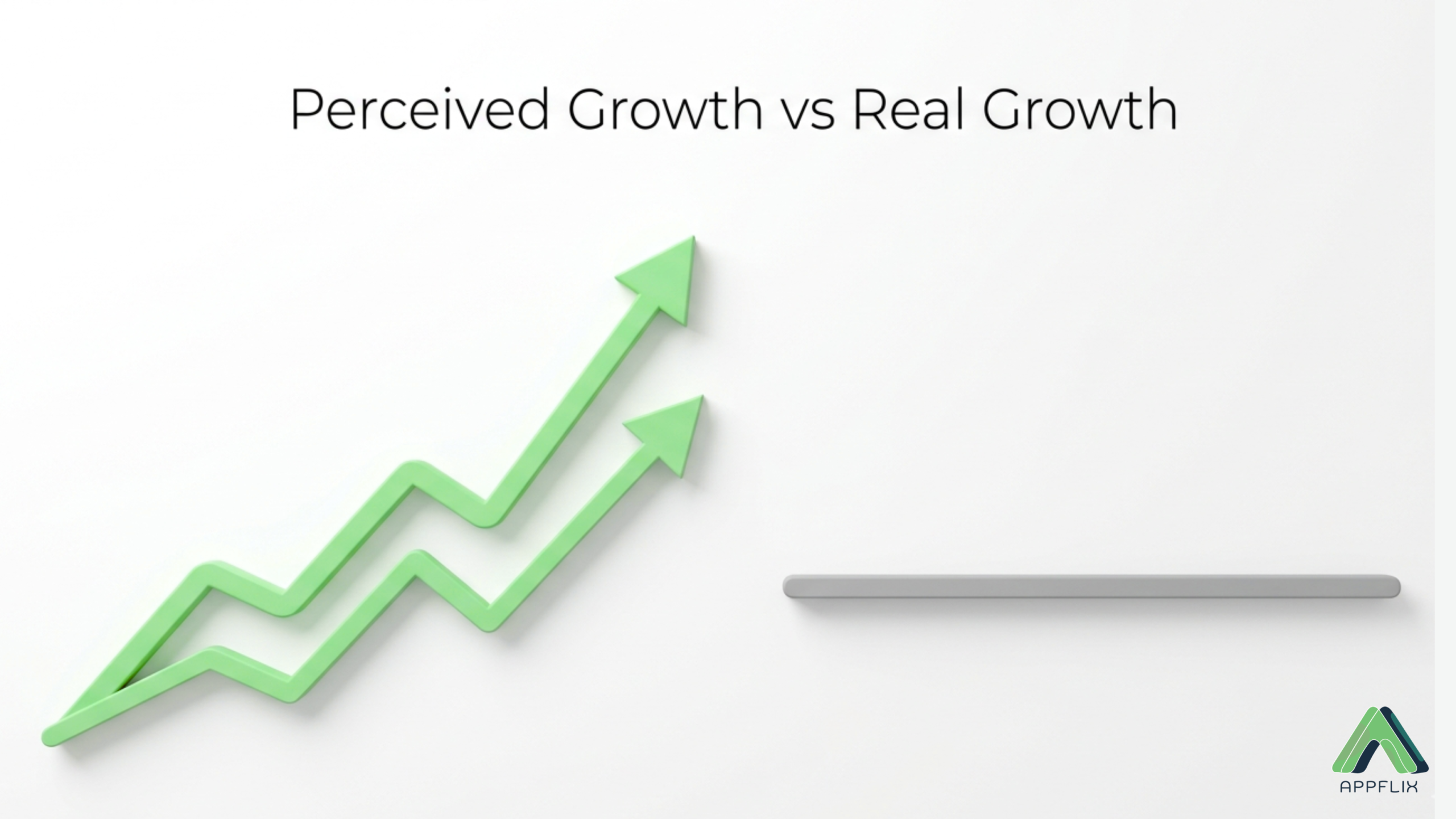
The playbook that built the mobile app industry no longer works. And most teams haven’t noticed yet.

There was a time when user acquisition was simple. You found your audience on Facebook, set a target CPI, watched the installs roll in, and called it a day. Media buying was an art—part intuition, part spreadsheet—and the teams that mastered it built some of the biggest apps in the world.

That era is over.

Not because the channels disappeared. Not because budgets shrank. But because the underlying mechanics of how users are acquired, measured, and retained have been fundamentally rewired—and the old media buyer mindset is now a liability, not an asset.

"The teams still optimizing for ROAS in a world that's moved to incrementality aren't just behind. They're measuring the wrong thing entirely."
What changed

iOS 14 and SKAdNetwork didn’t just break attribution. They forced the industry to confront an uncomfortable truth: we had been flying on borrowed data for years. When Apple removed the IDFA from the equation; overnight a generation of UA managers lost their compass. Campaigns that “worked” suddenly had no proof they worked. Channels that looked profitable looked a lot less so when probabilistic modeling replaced deterministic tracking.

At the same time, the algorithms matured. Facebook and Google got so good at automated bidding that the manual edge a skilled media buyer once had—audience segmentation, bid adjustments, and dayparting—got absorbed into the platform. The machine learned faster than any human team could iterate.

The lever that remained? Creative. And creative at scale is not a media buying problem. It’s an engineering and systems problem.

The rise of growth engineering

The rise of growth engineering

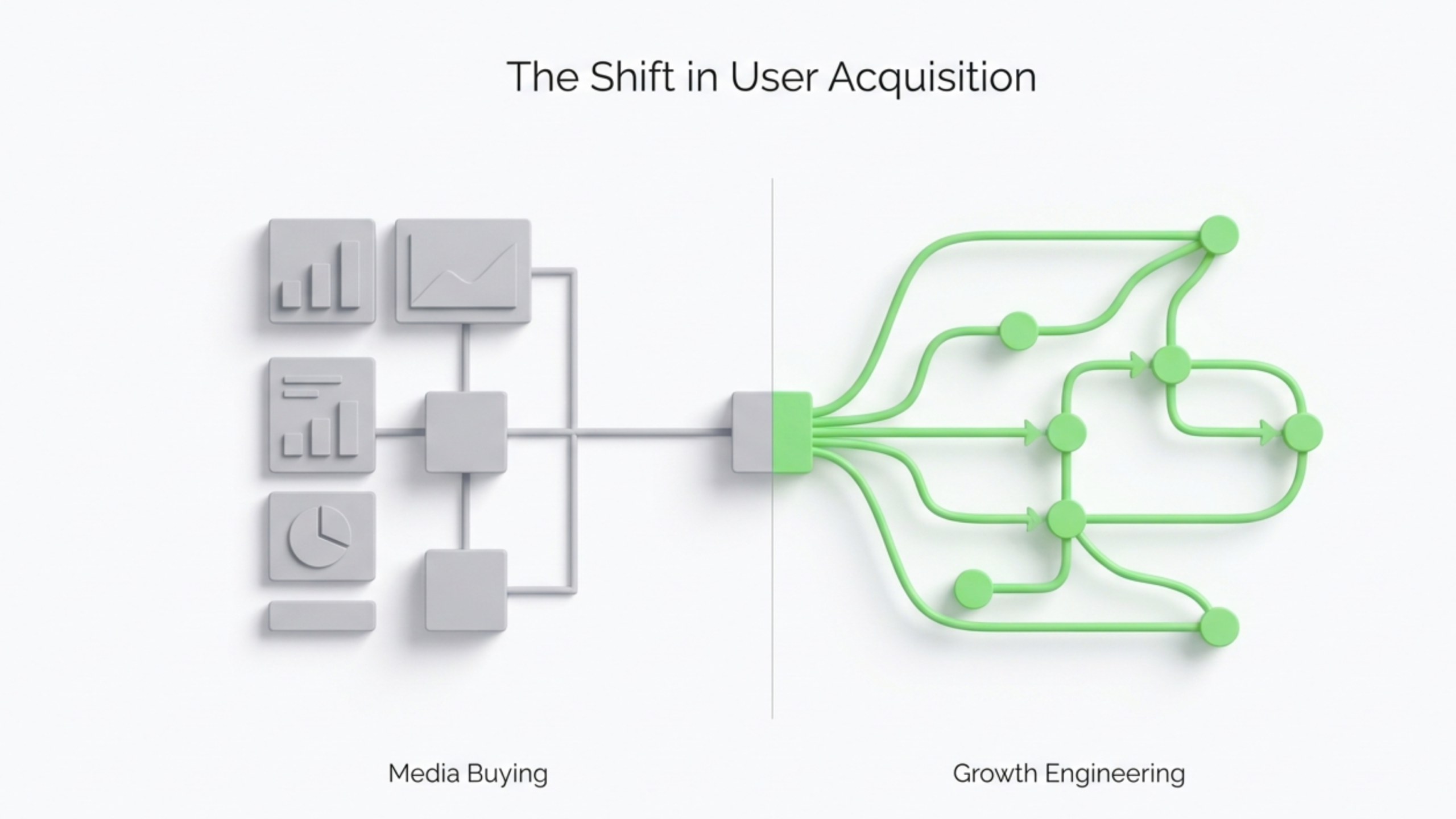
What we’re seeing now—and what we’ve built toward at Appflix— is a different kind of UA function. One where data scientists sit next to performance marketers. Where creative testing isn’t a gut-feel exercise but a structured, hypothesis-driven pipeline. Where Media Mix Modeling and incrementality testing replace last-click attribution as the source of truth.

Growth engineering means treating user acquisition the way a product team treats a product. Instrument everything. Build feedback loops. Reduce cycle time on learning. Don’t ask “did this ad perform?” Ask “what did this ad teach us about our user?”

"AI-driven bidding has commoditized media buying. The new moat is signal quality, creative velocity, and knowing what to measure."

What this means for UA teams

The uncomfortable reality is that the skills that made someone a great UA manager in 2016 are table stakes at best today, and irrelevant at worst. The new UA leader is part data engineer, part creative strategist, part product thinker. They understand LTV modeling not just as an input to bids, but as a reflection of product-market fit. They can speak to an MMP, an attribution window, and a holdout experiment design in the same breath.

This isn’t gatekeeping. It’s survival. The apps growing fastest right now are not the ones with the biggest budgets — they’re the ones with the tightest feedback loops and the clearest signal on what’s actually driving retention, not just installs.

A word on AI

A word on AI

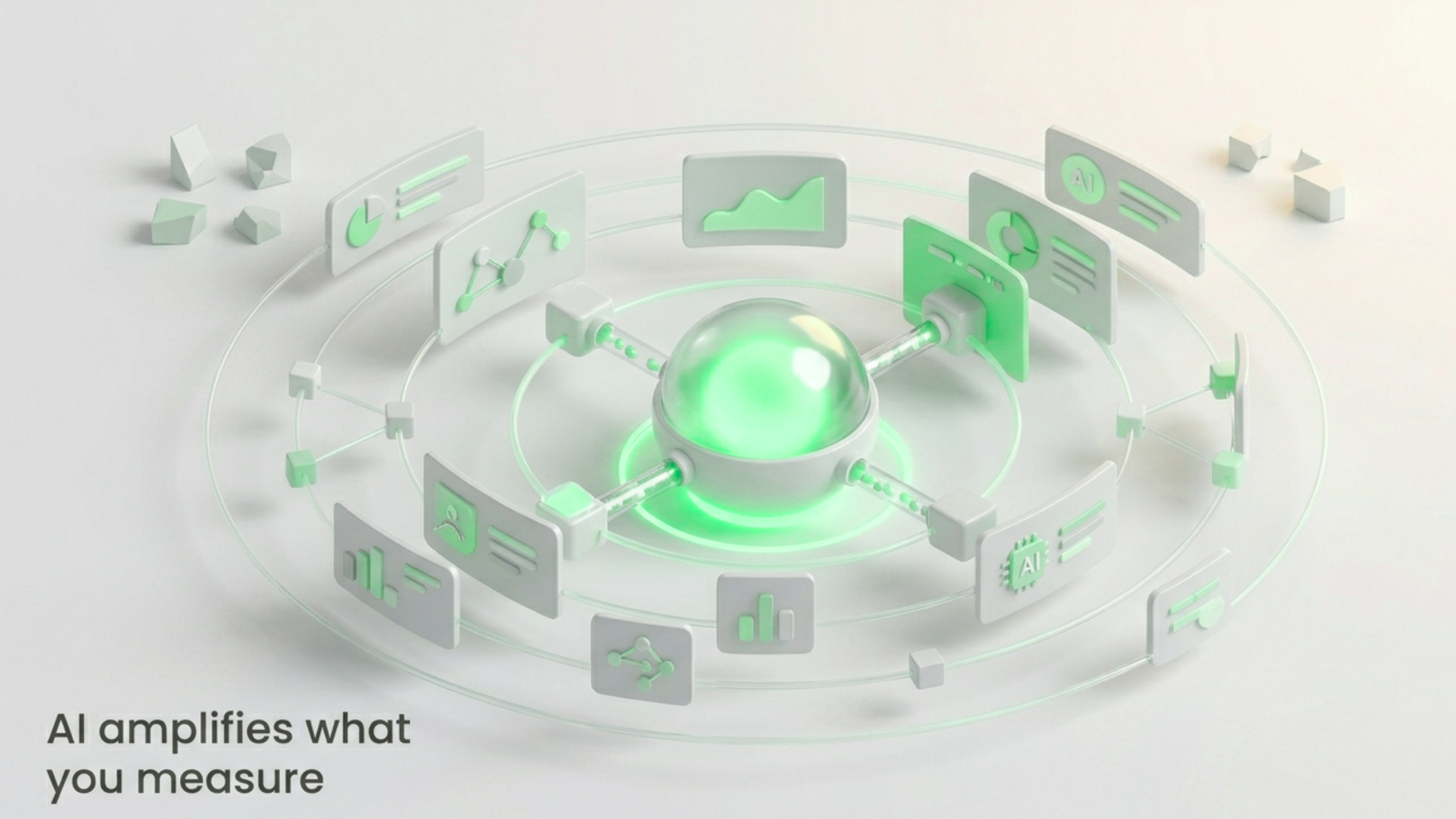
Yes, AI is reshaping this space too — from generative creative at scale to predictive LTV models that fire in real time. But here’s the thing: AI amplifies whoever is feeding it the right questions. Garbage-in, garbage-out applies more than ever. A team that doesn’t understand incrementality will use AI to optimize for the wrong metric faster. The foundation still has to be sound.

So where does this leave us?

Media buying isn’t dead — it’s been absorbed into something larger. User acquisition has grown up. It demands rigor, curiosity, and a willingness to unlearn the playbooks that once made us successful. The teams that will define the next decade of mobile growth aren’t the ones who spent the most or targeted the best. They’re the ones who learned the fastest.

At Appflix, that’s the standard we hold ourselves to. And we think it’s time the industry does the same.

Related Blogs

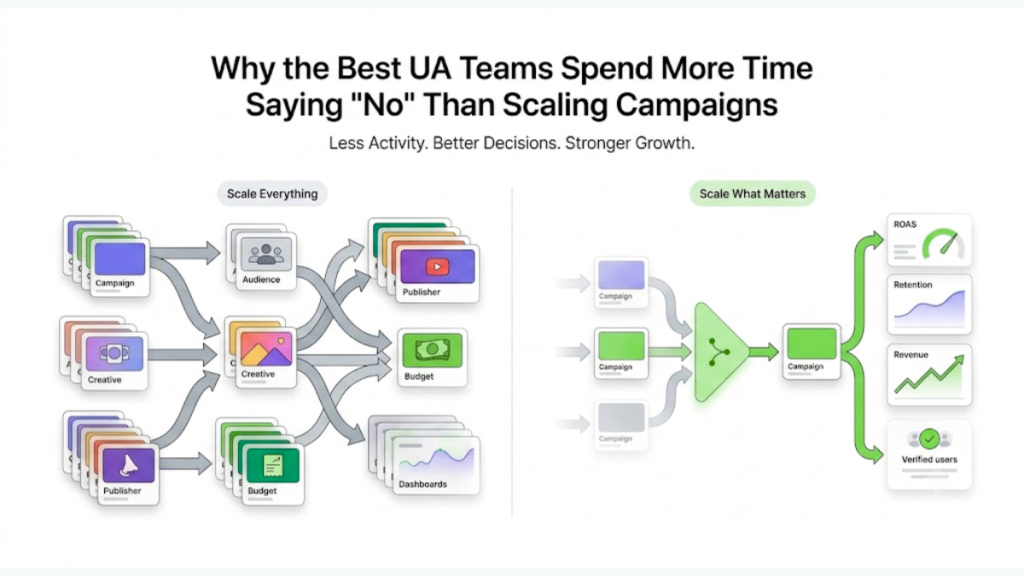
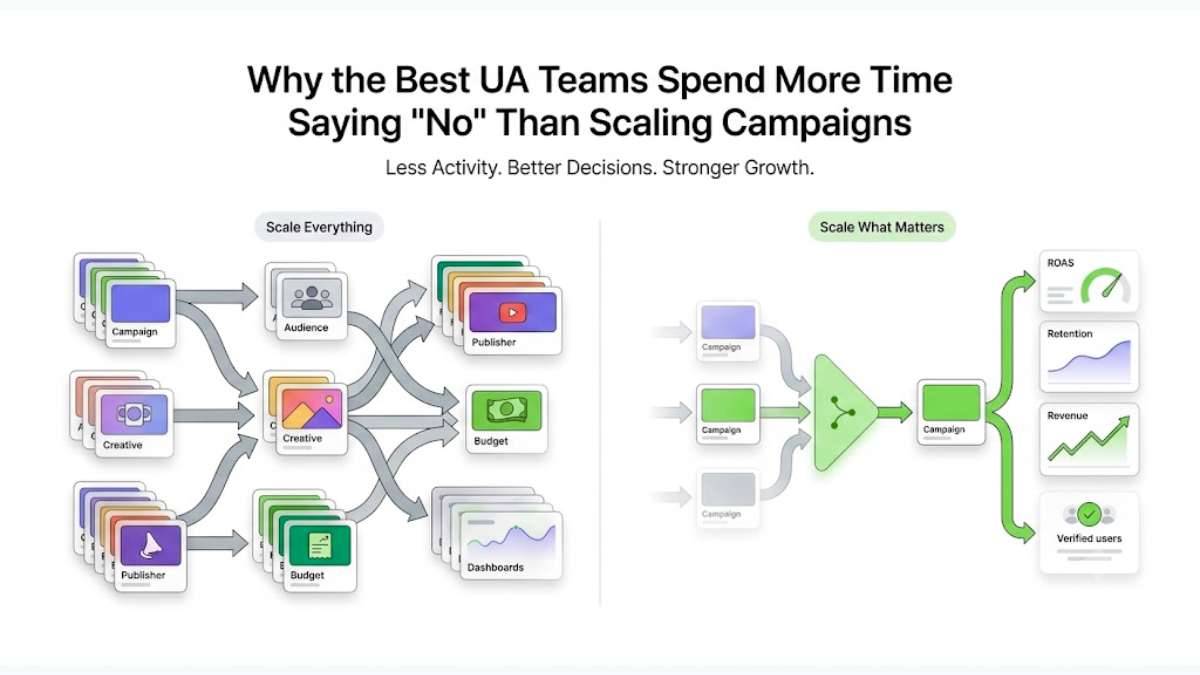
Why the Best UA Teams Spend More Time Saying “No” Than Scaling Campaigns

For years, User Acquisition revolved around one question: How fast can we scale? Bigger budgets. More geographies. More creatives. More installs. Growth meant doing more. But in 2026, the best UA teams are asking a different question:

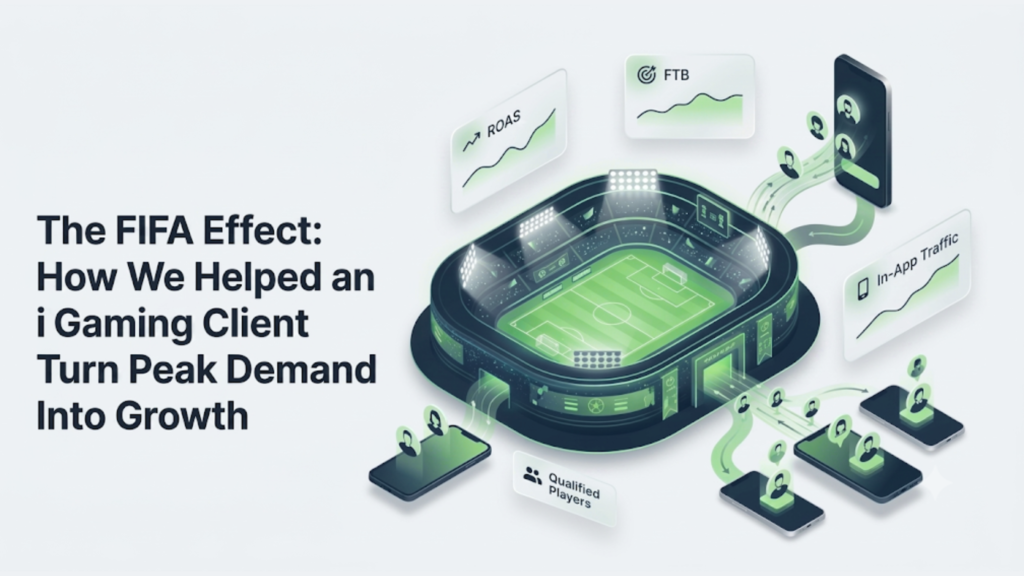
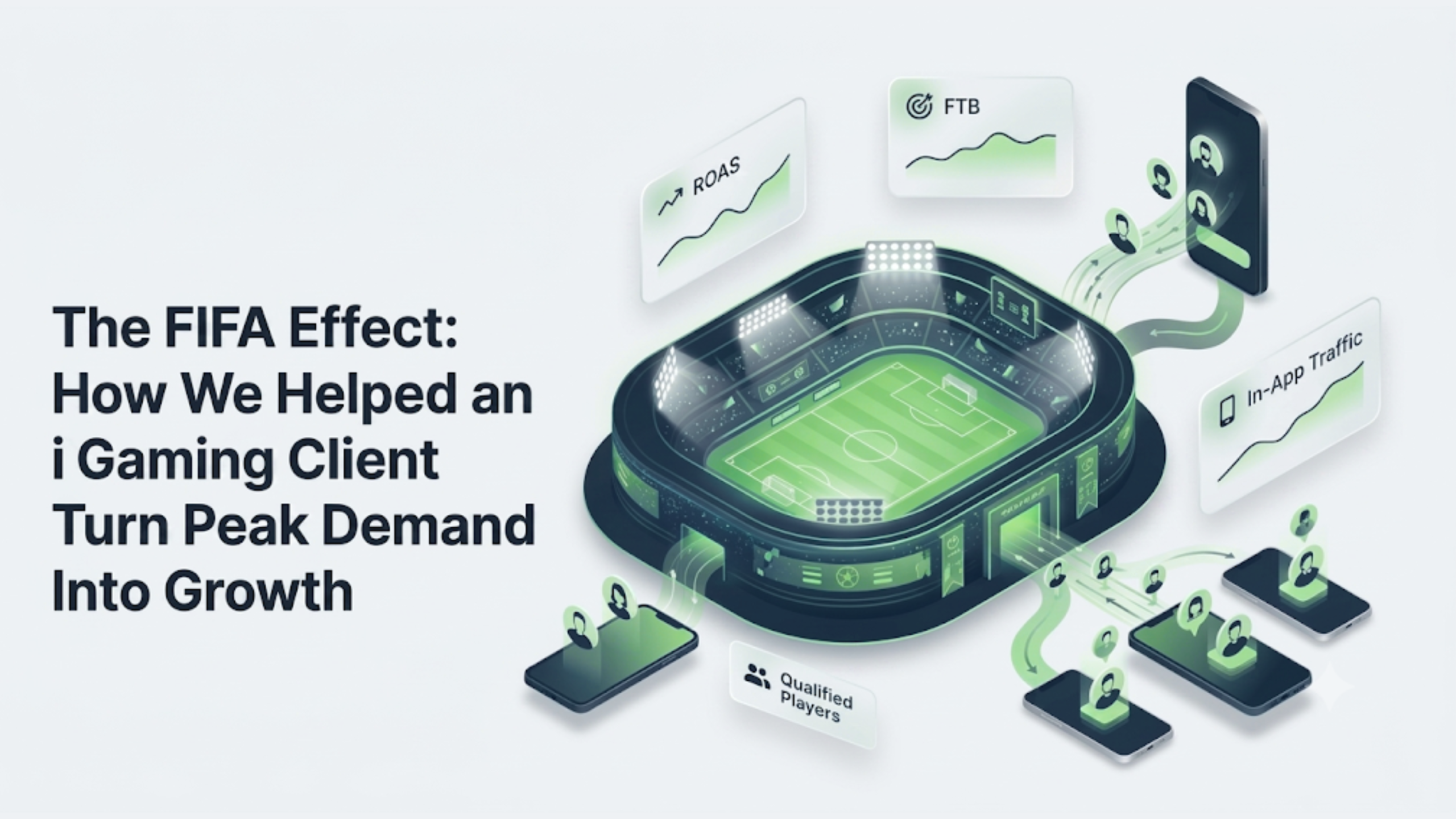
The FIFA Effect: How We Helped an iGaming Client Turn Peak Demand Into Growth

Every major tournament creates the same paradox for iGaming marketers.

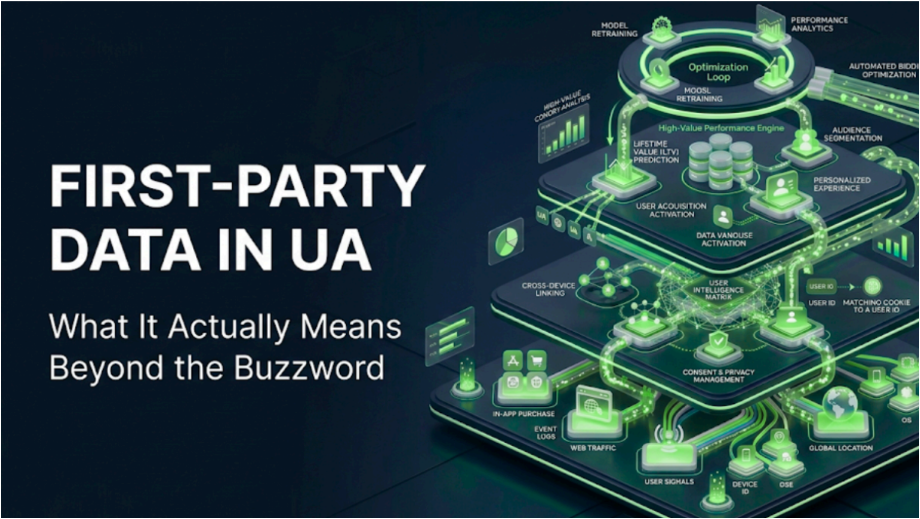
First-Party Data in UA — What It Actually Means Beyond the Buzzword

First-party data has become one of the biggest buzzwords in UA.
APPSHEPHERD

Protect Every Install.

Always-on fraud protection designed to keep your traffic clean and attribution accurate.